
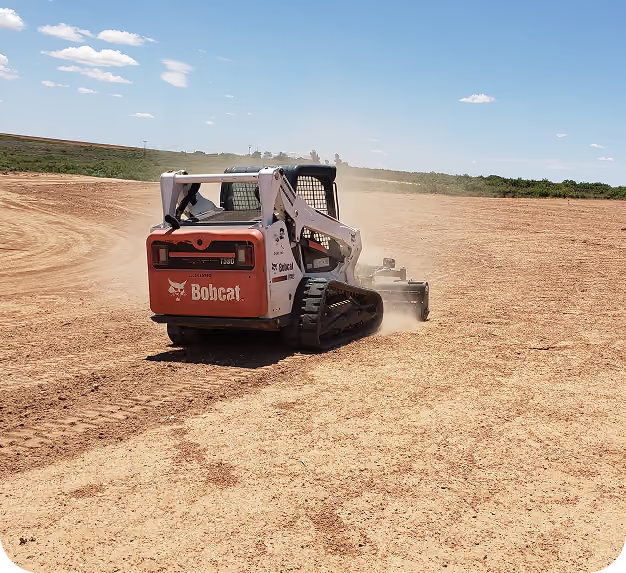

The Problem: Slopes Don’t Wait to Fail
In areas with uneven terrain or disturbed ground, slopes can become unstable fast especially during heavy rains or post-construction runoff. This instability puts your project, property, and safety at risk.
You may be dealing with:

Soil slipping down embankments or hillsides
Washed-out berms after storms
Property damage or unsafe access roads
Failed vegetation on sloped surfaces
Increasing pressure to meet slope compliance & stabilization codes
Erosion beneath utility corridors or new development
At KD Hydromulching, we offer professional slope stabilization solutions tailored to the topography and conditions of North Alabama. Whether you’re dealing with a newly graded hill, a utility right-of-way, or an eroding residential slope, our team applies a combination of hydroseeding, matting, erosion control blankets, and site prep techniques to keep the soil in place and your project on solid ground.
Our 3-Step Process
How We Keep Slopes Stable and Projects Secure
Slope assessment considers grade, soil, drainage, and erosion risk. The planning and installation steps below explain how stabilization measures are selected for the site and coordinated with revegetation.


On-Site Evaluation
We assess your slope’s grade, soil type, drainage, and risk level, then design a stabilization plan that aligns with your site and budget.

Installation of Control Systems
Using erosion blankets, tackifiers, hydroseeding, and soil binders, we apply layered stabilization methods suited for both temporary and permanent solutions.

Monitoring & Optional Follow-Up
We provide care guidance and can return for inspections, reseeding, or maintenance if needed especially on high-risk slopes or post-storm.
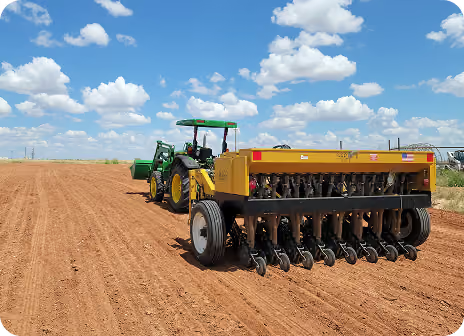
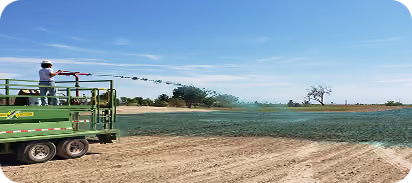
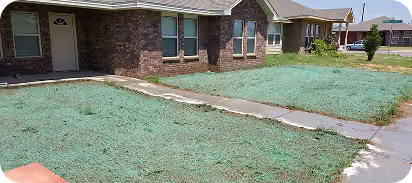
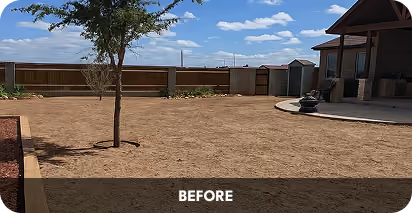
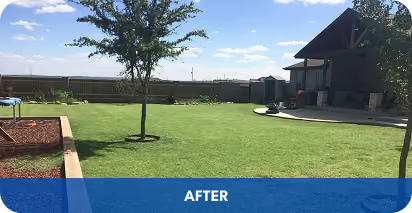
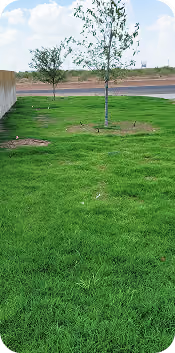
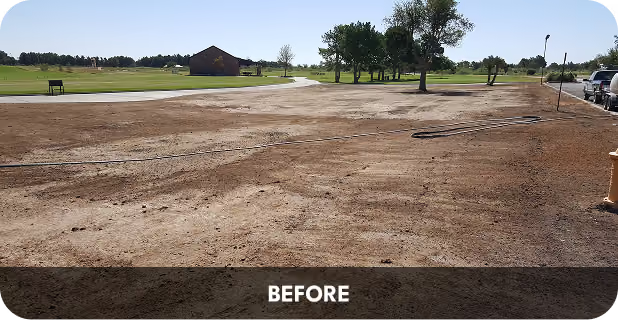
Work That Speaks for Itself

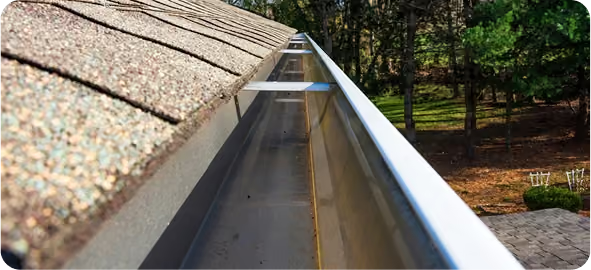
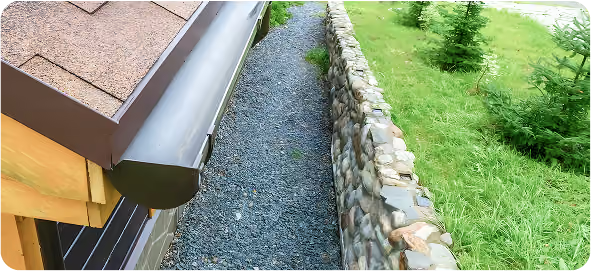
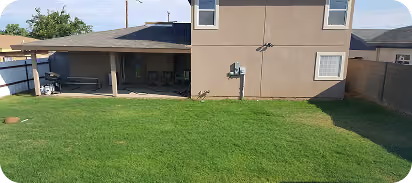
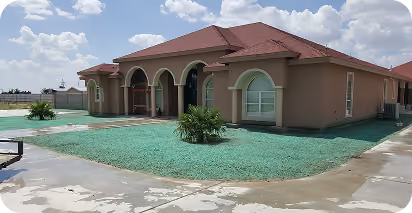
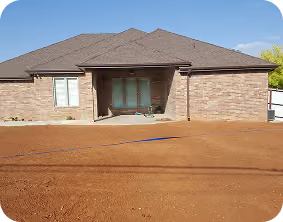
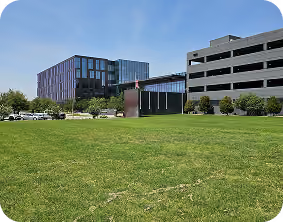
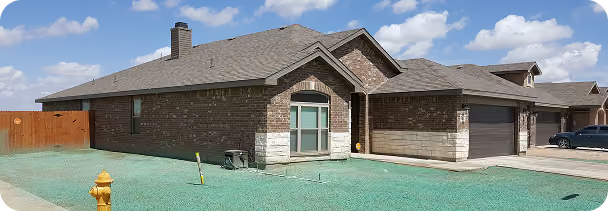
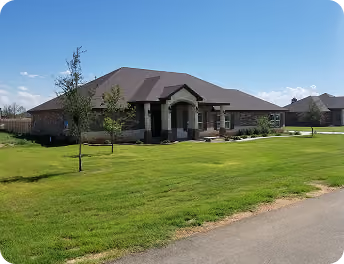
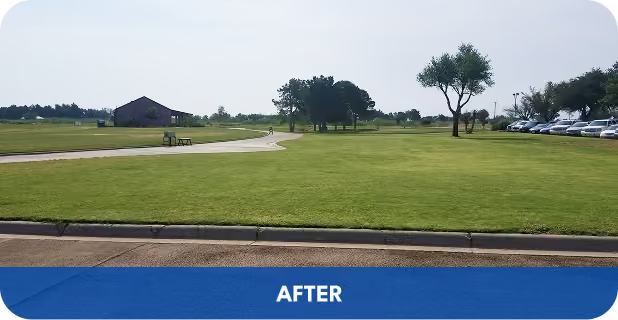
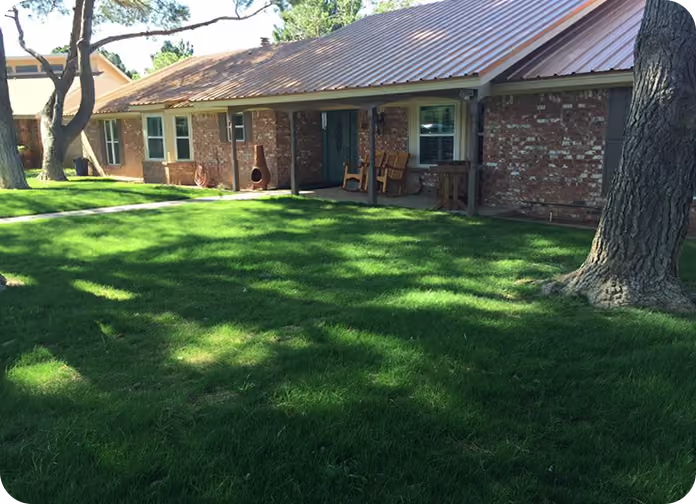
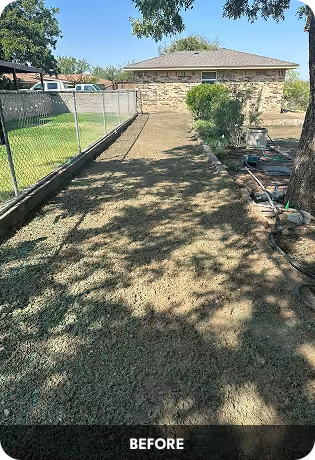
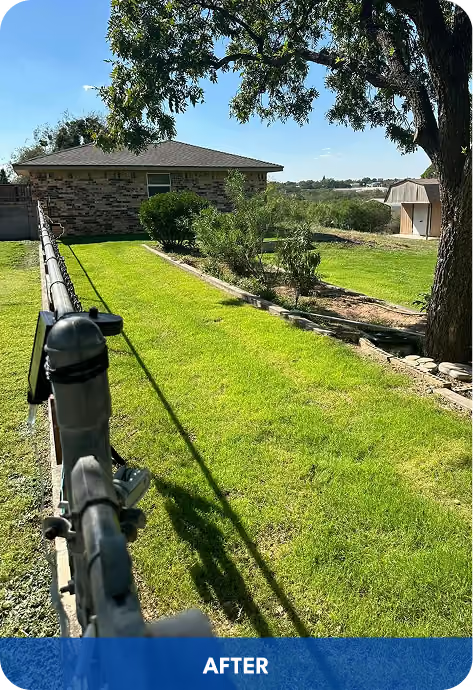
Why Slope Stabilization Matters
Exposed slopes are vulnerable to soil movement and runoff after grading or disturbance. Stabilization planning addresses drainage, erosion protection, and vegetation establishment rather than treating seeding as the only measure.
6 Reasons to Stabilize Before the Soil Starts Moving

Prevents Soil Movement & Washouts
Lock in slopes before rain, wind, and runoff tear them apart.


Protects Properties & Infrastructure
Stabilization reduces risk of erosion-related damage to homes, roads, pipes, & utility lines.


Supports Vegetation Growth
Our hydroseeding and soil treatments give native grasses a chance to take root even on steep terrain.


Ensures Compliance
We help you meet slope stabilization requirements for residential, municipal, and commercial projects.


Reduces Long-Term Maintenance Costs
A stable slope now prevents costly repairs, regrading, or replanting later.


Custom Solutions for Any Slope
Whether it’s loose clay, gravel, or compacted dirt we match our methods to your ground.
What Our Clients Are Saying
Real Feedback from Contractors, Site Supervisors, & Compliance Pros Across North Alabama
Michael S., Residential Builder, Huntsville

“We had a steep slope behind our new construction site that washed out after just one storm. KD Hydromulching came in with erosion blankets and seed, and within days we saw the difference. The hillside held strong even through another storm the following week.”
Rachel K., Property Manager, Limestone County
“The berm running along our rural access road was falling apart every season. KD stabilized it with layered control and seeded it for grass cover. It's now solid, green, and low maintenance. Great work.”
Derek T., Utility Supervisor, Madison County
We were dealing with recurring slope erosion along a utility corridor. KD developed a plan with hydroseeding and tackifier treatment that worked better than anything we’d tried before. The vegetation is holding strong and there’s been no washout since.”
Laura J., Homeowner, Owens Cross Roads
“Our backyard hill kept eroding and making a mess of our patio area. KD’s team prepped it, applied hydroseed and netting, and gave us instructions for aftercare. The slope is holding and the grass came in beautifully.”
eorge M., Commercial Developer, Athens, AL
“I appreciated how they didn’t just throw seed on it. They analyzed the slope and used the right materials to actually solve the problem. Very professional team.”
Jason R., Site Contractor, North Alabama
“We had a tight deadline to pass inspection on a sloped site. KD stabilized the hillside fast and gave us full documentation to show erosion control was in place. Passed with zero issues.”


Request a Slope Assessment
Let’s evaluate your hillside, berm, or ROW slope and build a stabilization plan that protects your land & your project timeline.
Frequently Asked Questions
What is slope stabilization?


It’s a combination of methods—like erosion blankets, hydroseeding, and soil treatment—used to prevent soil from sliding or washing off steep terrain.
What types of properties need it?
Any property with a slope, hill, or berm—especially post-construction sites, utilities, roadsides, or new residential builds. Slope stabilization may be relevant to hills, berms, roadsides, utility corridors, and disturbed construction sites. Assess the grade, drainage, and signs of erosion before choosing a treatment.
How soon should slope stabilization be applied?
Ideally right after grading or soil disturbance. Early action prevents damage, washouts, and the need for rework. Plan stabilization alongside grading and soil disturbance rather than waiting for runoff damage. The appropriate sequence depends on drainage, construction progress, weather, and the specified erosion-control measures.
Can you help with failed slopes?
Yes. We can restore previously eroded or unstable slopes with corrective treatments and reseeding strategies. A failed or eroded slope needs assessment before treatment is chosen. Discuss the movement, drainage, and exposed soil with the project team to establish whether corrective erosion work and reseeding are appropriate.
What kind of seed do you use?
We use native or region-appropriate blends tailored for slope environments—designed to root fast and hold soil Seed selection should match the slope, local conditions, and project requirements. This page describes native or region-appropriate mixtures; confirm the actual mixture and care instructions in the project plan.