

Reliable Seeding for
Larger Properties & Tough Terrain
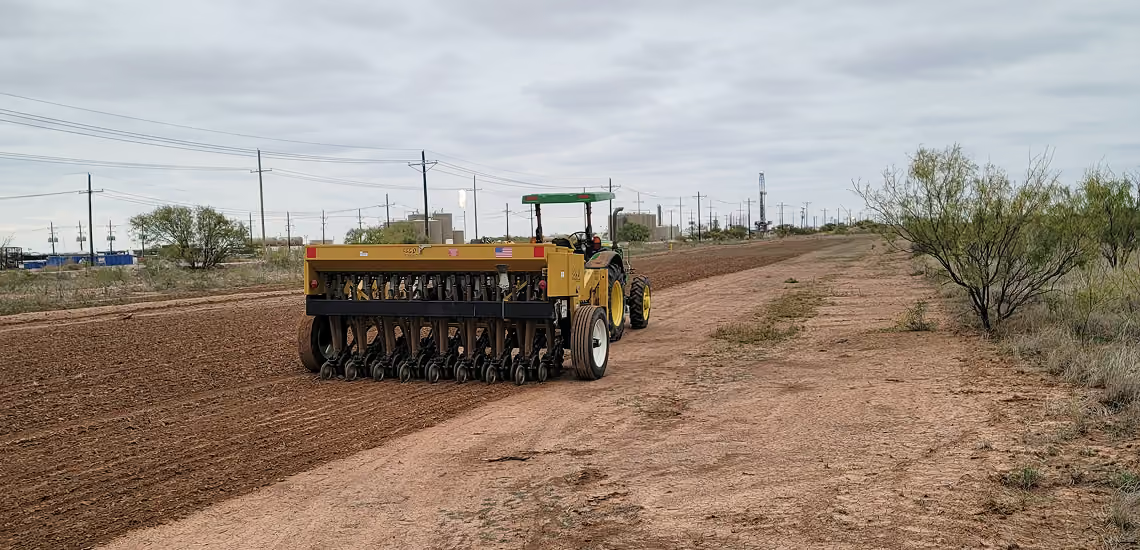
Drill seeding is one of the most effective methods for planting grass or native seed across wide open spaces especially where precision and soil contact matter most. Unlike broadcast or hydroseeding, drill seeding uses specialized equipment to place seed directly into the soil at consistent depth and spacing, improving germination and reducing seed loss from wind or water runoff.
At KD Hydromulching, we use this method to cover large properties efficiently ideal for pastures, rural lawns, commercial sites, and farms. Our equipment delivers accurate results even on sloped, rocky, or uneven terrain, saving you money and giving your grass the best start possible.
If you’re restoring land, reseeding after construction, or planting native grasses on acreage, drill seeding provides a dependable, cost-effective
solution tailored to Alabama's soil and climate.
Our 3-Step Process
How We Get It Done
Drill seeding starts with a review of the land, soil, and terrain. Preparation, seed selection, planting depth, and follow-up care are the process steps described below.


Site Review &
Preperation
We inspect the land, soil type, and terrain to determine the best drill depth and seed type for your project.

Precision Drill
Seeding
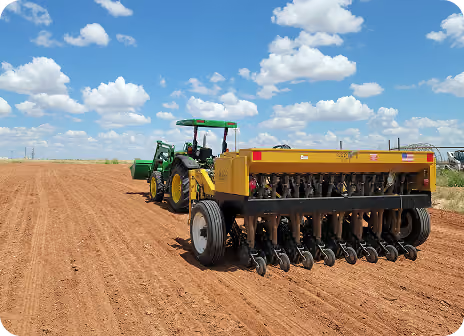
Using professional-grade drills, we plant seed rows directly into the soil, ensuring uniform depth and spacing for optimal germination.

Follow-Up &
Guidance
We provide care tips, watering instructions, and optional follow-up services to help ensure long-term success.
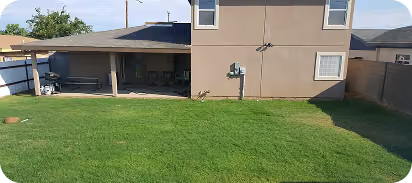
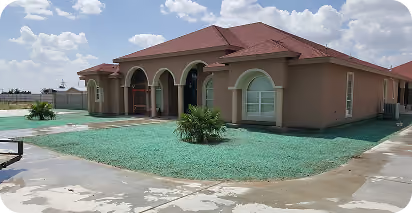
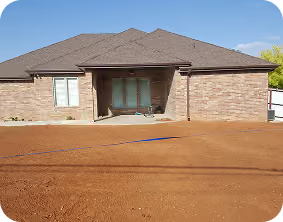
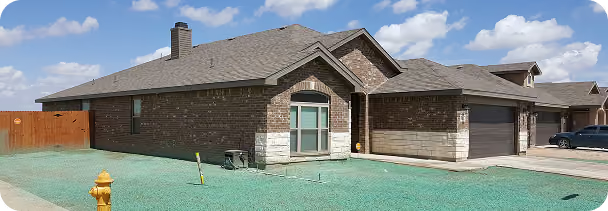
Work That Speaks for Itself
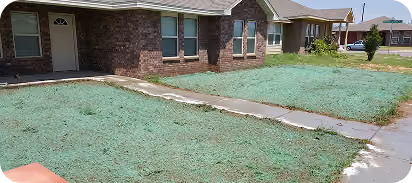
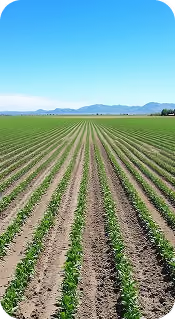

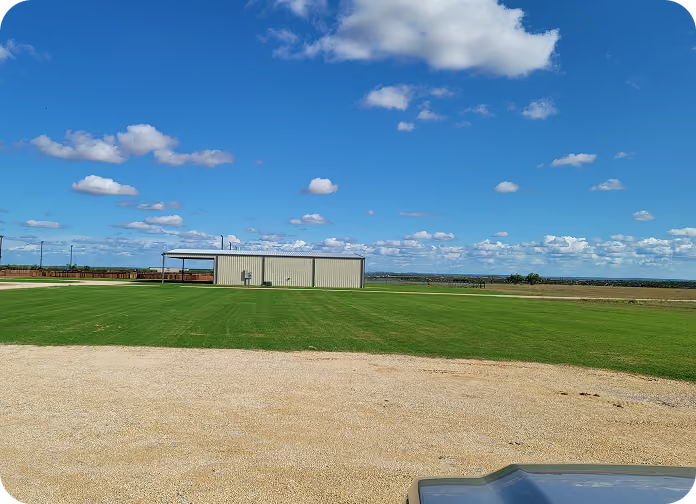
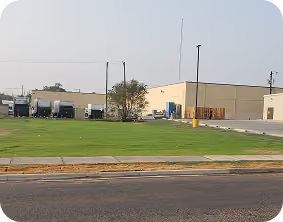
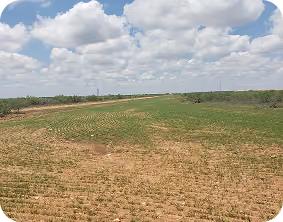
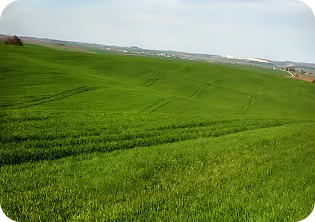
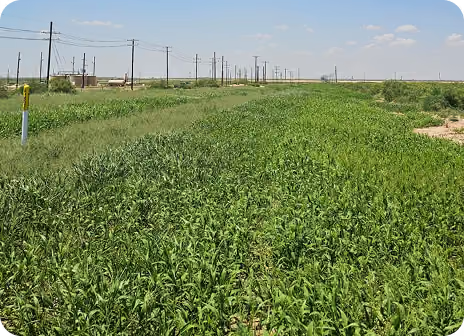
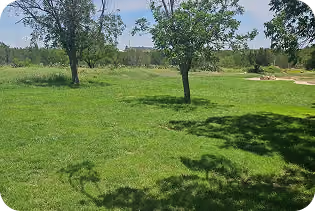
Why Choose Drill Seeding?
Drill seeding places seed directly into the soil. Seed-to-soil contact, planting depth, and the intended use of a pasture, field, or commercial site guide the choice of method.
6 Benefits of Professional Drill Seeding by KD Hydromulching


Better Seed-to-Soil Contact
The seed is placed directly into the soil at the right depth leading to stronger germination and root development.


Ideal for Large-Scale Coverage
Perfect for pastures, farms, and wide landscapes drill seeding makes large areas manageable and cost-effective.


Minimized Seed Waste
Unlike broadcast seeding, there's little to no seed blown away or lost to runoff, meaning more value for your investment.


Consistent Application
Our calibrated equipment ensures even seed spacing and coverage, creating a uniform look across your land.


Great for Native & Warm-Season Grasses
Especially effective for native species or specialty blends that require specific planting conditions.


Trusted Local Experts
We know Alabama's terrain and climate, and we tailor every project to match your soil, slope, and long-term goals.
What Our Clients Are Saying
Real Experiences from North Alabama Homeowners, Contractors, & Project Leaders
Don M., Landowner

“Our rural acreage needed replanting post-construction. KD’s drill seeding delivered precision placement, great soil contact, and high germination. Few companies understand terrain like they do—their equipment and crew made it happen flawlessly.”
Carla B., Ranch Manager
“Drill seeding by KD transformed our pasture that had been overgrazed and rocky. Their team chose native blends, adjusted depth perfectly, and scheduled around weather. In a month, green pasture had returned stronger than expected. Truly expert installation.”
Greg H., Land Rehabilitation Lead
“We planned on restoring hundreds of acres across varying terrain. KD’s drill seeding system was efficient, reliable, and thoughtful. They monitored soil moisture and compaction to ensure even planting. Germination was remarkable—we can’t imagine doing it another way.”
Betsy S., Environmental Planner
“KD helped convert our property to a wildlife-friendly grass mix using drill seeding. They planted multiple species in one pass, ensuring diversity and coverage. Today, our land has deep-rooted grasses thriving uniformly. They clearly value sustainability and results.”
Patrick K., Agricultural Consultant
“Large open fields needed native grass restoration. KD’s drill seeding method was cost-effective and efficient—planted seed at optimal depths across acres in one go. Healthy grass emerged consistently over weeks. Great attention to detail and execution.”
Alicia G., Stable Owner
“We needed dense, resilient turf for an equestrian field. KD’s drill seeding was spot-on—seed was placed accurately, with great soil contact, and the growth is thick and durable. They exceeded expectations in precision and speed.”


Request a Quote
Have a large area to seed? We’ll give you an honest estimate with the right plan for your land.
Frequently Asked Questions
What’s the difference between drill seeding and broadcast seeding?


Drill seeding places seeds directly into the soil in rows, while broadcast spreads seeds over the surface. Drill seeding offers better contact and higher germination.
Is drill seeding better for large areas?
Yes. It’s ideal for large properties like farms, pastures, and commercial sites where uniform coverage is important. Drill seeding is used for large properties such as pastures, farms, and commercial sites. Suitability depends on terrain, access for equipment, the seed mixture, and the desired coverage.
Can you drill seed native grasses?
Absolutely. Drill seeding is especially effective for native or specialty blends that need precise planting depth. Native and specialty grass mixtures can be drill seeded when planting depth and equipment suit the seed. The mixture should match the site and any project vegetation requirements.
When is the best time to drill seed in Alabama?
Spring and fall are the most effective seasons, depending on the grass type and weather conditions. The planting window depends on the selected grass and current weather. This guide discusses spring and fall; confirm the seed-specific season before arranging soil preparation and seeding.
Do I need to do anything after the seeding is done?
Basic watering and maintenance will help your seed establish. We’ll provide you with care instructions customized to your project. Yes. Watering and maintenance help seed establish after planting. Follow the project care instructions and monitor soil moisture and early growth rather than assuming planting alone completes lawn establishment.